
KENYAN GROWERS · CULTIO NURSERIES
Apple growing guide in Kenya
A practical apple growing guide for Kenyan farmers: choose planting material, plan your site, establish the crop and prepare for market.
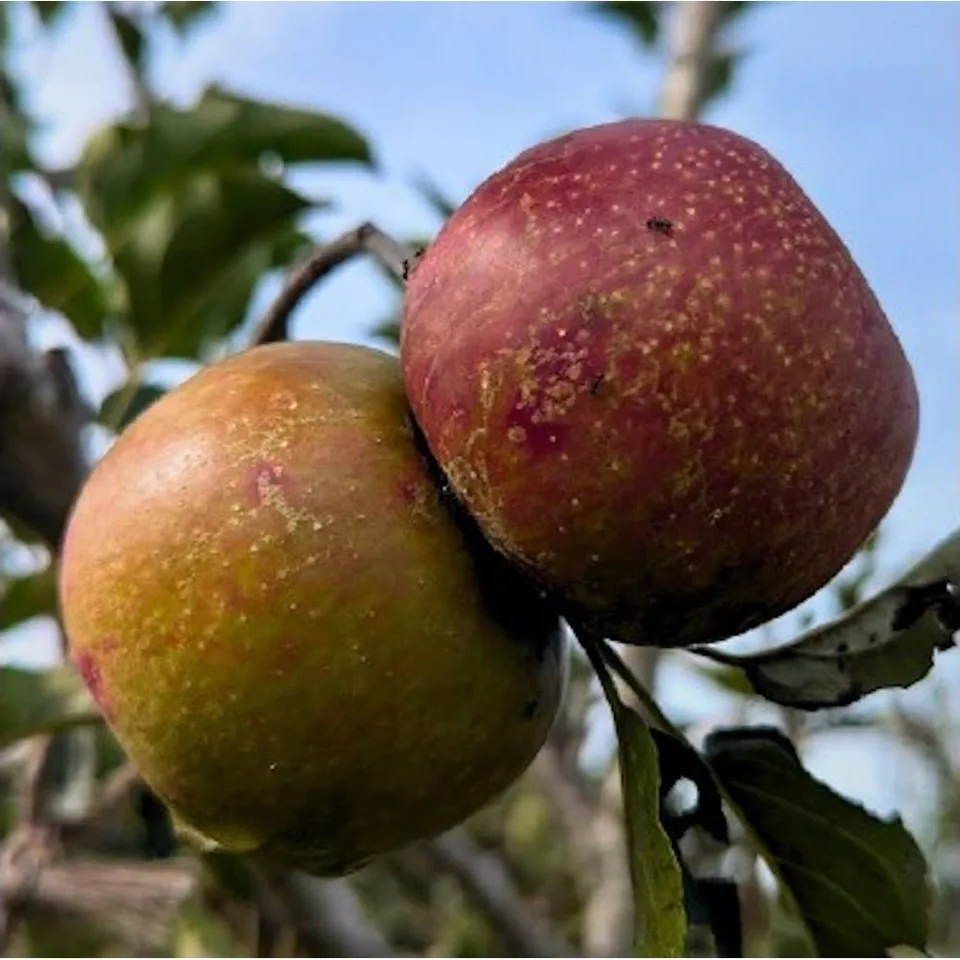
Source-based growing information. Confirm variety, rootstock and a site-specific plan with your county extension officer before planting.
On this page
Overview
Apple growing in Kenya needs careful variety and rootstock selection. An orchard near Eldoret should be planned around the site’s temperature pattern, water supply, drainage and flowering performance rather than the fruit’s appearance alone. Start with a documented trial if a variety is new to your area, and compare flowering, fruit set and fruit quality before expanding.
Choose a variety
Ask for the variety and rootstock by name, including whether the rootstock is MM111 or another type. Anna, Dorsett Golden and other apples must be assessed for local flowering and pollination compatibility. A long variety list is not a pollination plan. Keep labels and a block map, and discuss compatible flowering partners before purchasing the entire orchard.
Site selection
Choose a well-drained site with room for mature trees, irrigation and harvest access. Arrange soil testing and examine previous crop and disease history. Check whether cold air collects in low areas and how exposed the block is to wind. Secure a realistic dry-season water budget before planting; irrigation needs change with weather, soil and tree size.
Planting
Apple spacing depends on rootstock vigour and training. The planner offers 4 × 4 m and 5 × 4 m as planning layouts (the wider-row option is an adaptation), subject to confirmation for the actual rootstock. They are not dwarf-orchard prescriptions. Mark rows and pollination positions, allow access space, plant with roots protected and keep the graft union above the finished soil level.
Ongoing care
Train the tree structure early and maintain light within the canopy. Inspect irrigation distribution rather than assuming every emitter delivers equally. Thin fruit where advised to protect developing branches and fruit size. Record flowering, fruit set and harvest dates by variety: this local evidence helps refine orchard management far better than a calendar copied from a temperate country.
Pests and diseases
Look for leaf spots, cankers, damaged fruit and declining roots. Remove diseased material as advised and disinfect tools between affected trees. Seek a diagnosis before choosing a treatment, especially where yellowing may come from water, roots or nutrition. Follow Kenyan product registrations and label directions; imported spray programmes may not suit local conditions or market requirements.
Harvest
Harvest by variety and intended buyer requirements, checking maturity and handling fruit gently. Use clean containers and separate bruised fruit. Record saleable weight, grade, price and storage losses, not just the number of fruit on a tree. Confirm buyers early and compare net returns after labour and packaging before increasing acreage.
Sources and further reading
- University of Minnesota Extension: growing apples
- TNAU: apple establishment (international reference)
International references inform planning; they do not establish suitability for a particular Kenyan farm.
Plan your next planting
Discuss your crop, farm conditions and quantity with Cultio in Eldoret. Seedlings are collected from the nursery.
Shop apple seedlingsCalculate seedling quantities